

The oak floors in your Canton Street bungalow have been there since the Truman administration. They're beautiful in the right light — but the dining room has a dull, gray patch where the finish wore through years ago, and that one board near the fireplace creaks like a haunted house every time you step on it. You've been going back and forth: sand and refinish, or pull it all up and start over.
It's a decision homeowners across the area face regularly, particularly in neighborhoods where original hardwood is both a selling point and a maintenance burden. The right call depends less on age and more on what's happening beneath the surface.
When Refinishing Makes Sense
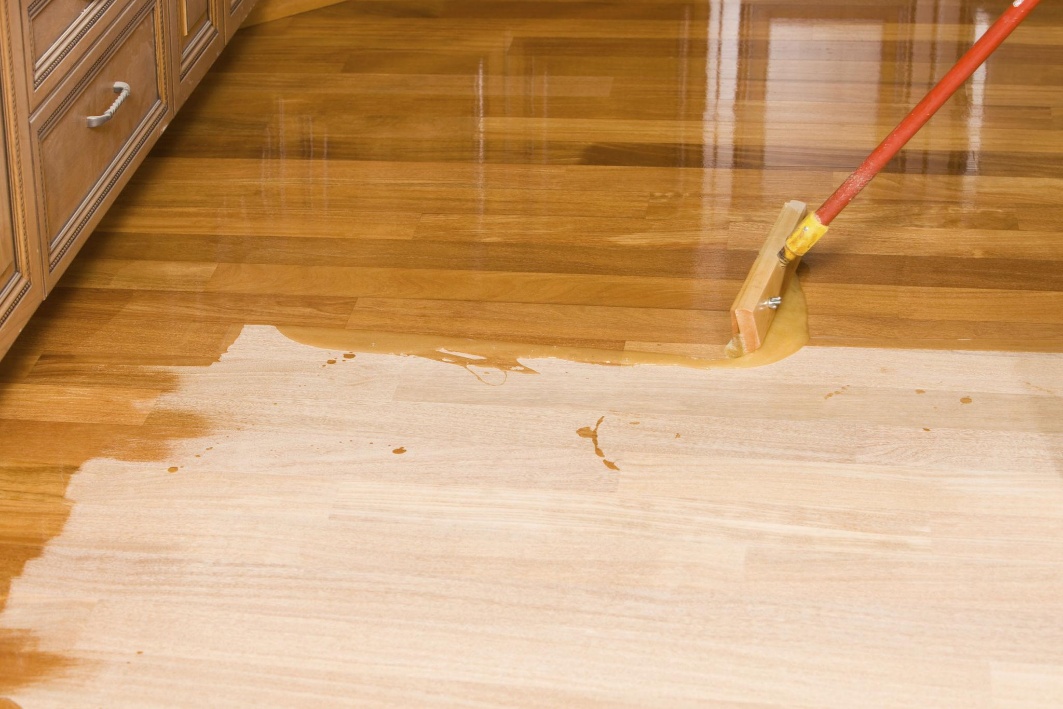
Refinishing strips away the old finish and a thin layer of wood, then applies fresh stain and sealant. The floor underneath needs to be structurally sound — no rot, no deep cracks, no boards that have warped beyond what sanding can address.
The biggest advantage is cost. Refinishing typically runs $3 to $8 per square foot, while replacement with new hardwood starts around $8 to $15 and climbs from there depending on species and installation complexity. If the wear is only cosmetic — scratches, dullness, minor discoloration — refinishing restores what you already have at a fraction of the replacement price.
But there's a hard limit. Solid hardwood can usually withstand three to five sandings over its lifetime. If the floors have already been refinished multiple times, the wood above the tongue-and-groove may be too thin to sand again. And refinishing cannot fix boards that have cupped, crowned, or developed gaps wide enough to catch a dime — problems Atlanta's seasonal humidity swings are known to create. For a deeper understanding of how different constructions perform, our hardwood flooring guide covers the trade-offs between solid and engineered in detail.
Signs It's Time to Replace
Some problems run deeper than a sander can reach. Water damage from a slow leak under the refrigerator. Boards that have separated so dramatically that light shows through to the subfloor. Sections that feel spongy underfoot — a sign the subfloor itself may be compromised and no amount of surface work will fix it.
Then there's the style question. If you're living with narrow-strip red oak from the 1980s and you've been eyeing the wide-plank white oak that has dominated design for the last several years, no amount of sanding will change the plank width or the species. Replacement becomes the only path to the look you want.
It also opens the door to construction choices that refinishing cannot offer. Solid hardwood moves significantly with humidity — a real concern when summers swing from air-conditioned dryness to door-open humidity. Engineered hardwood addresses this directly: its cross-ply core resists expansion and contraction far better than solid planks, making it a practical upgrade for Georgia homes.
Getting an Honest Assessment
The refinish-or-replace question is rarely answered from photos alone. It takes someone walking the floors, checking for hollow spots, measuring gaps, and testing moisture levels in the subfloor. Atlanta Flooring Studio brings decades of hardwood expertise to that conversation and carries one of the deepest selections in the metro area — from heritage names like Bruce and Mannington to premium specialists including Fabrica hardwood, Mercier, and Boen.
You can explore samples in person at our Alpharetta showroom on State Bridge Road, or if you'd rather compare options in the actual room where they'll live, our shop-at-home service brings the showroom to your doorstep.
Whether you ultimately sand or replace, the first step is a clear-eyed evaluation of what you're working with. Schedule a free in-home estimate — we'll help you see what's possible, with no pressure and no guesswork.

