

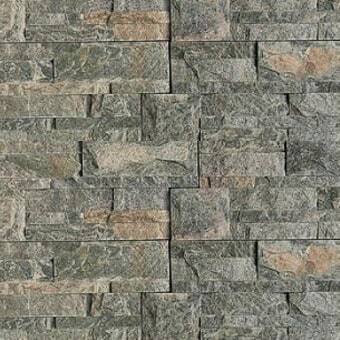
Every other floor in our showroom was manufactured in the last year or two. Natural stone was manufactured by the planet, over millions of years, and you can read that biography in every slab — the veining in a marble foyer, the strata in a slate mudroom, the fossil shadows in a limestone hall. That is the entire appeal and the entire challenge of stone flooring: you are not buying a printed picture of geology, you are buying geology, with all the character and all the personality quirks that come with the real thing.
North Fulton homes have a particular appetite for it. The kitchens and primary baths of Alpharetta, Johns Creek, and Milton lean luxurious, foyers here work hard through red-clay springs and stormy summers, and stone delivers the one thing no manufactured floor quite matches: permanence with provenance. This guide is the conversation our design consultants have at the showroom wall — what each stone actually is, how it behaves in a busy Georgia household, which finish belongs in which room, and when the honest answer is a porcelain look-alike instead. Browse the real thing in our natural stone collection as you read.
Meet the Stones: Open the Specimen Drawer
“Natural stone” is a family of very different personalities. The drawer below holds the four you will meet most often in flooring showrooms — tap each specimen for its dossier. (The swatches are sketches; in person, every slab is its own fingerprint, which is exactly why our showroom keeps the real thing on hand.)
Marble — the aristocrat
- Born
- Limestone, recrystallized under heat and pressure — metamorphic royalty.
- Personality
- Dramatic veining, luminous surface, instant gravitas. No two slabs related, let alone identical.
- Needs
- Sealing on schedule, acid kept away (see the Etch Lab below), and owners who accept patina as character.
- Best rooms here
- Foyers, formal baths, fireplace surrounds — browse our marble collection.
Travertine — the warm classic
- Born
- Mineral springs deposited it layer by layer — the pits and voids are its birthmarks.
- Personality
- Honeyed, old-world, forgiving of dust in a way bright marble never is.
- Needs
- Filled-and-honed for floors, sealing on schedule, mats at the door like every stone.
- Best rooms here
- Kitchens and sunrooms that want Mediterranean warmth without gloss.
Slate — the workhorse
- Born
- Compressed clay and ash, split along natural layers — the cleft texture is structural, not decorative.
- Personality
- Moody, textured, grippy underfoot — the stone that shrugs at wet boots.
- Needs
- The least fussy of the family; sealing enriches its color and eases cleanup.
- Best rooms here
- Mudrooms, entries, and hearths — anywhere Georgia weather walks in.
Limestone — the quiet sophisticate
- Born
- Ancient seabeds — occasionally you can spot fossil ghosts in a tile.
- Personality
- Soft, matte, even-toned; the understated backdrop designers love.
- Needs
- It is softer and more porous than marble — diligent sealing and gentle cleaners are non-negotiable.
- Best rooms here
- Calmer spaces: baths, studies, adult living rooms more than chaotic mudrooms.
The Chemistry Lesson Every Marble Owner Needs: Etch vs. Stain
Here is the single most misunderstood thing about stone floors, and the reason some beautiful kitchens end up with cloudy rings around the coffee station. Marble, travertine, and limestone are calcium carbonate — and calcium carbonate reacts with acid. Lemon juice, wine, tomato sauce, even some cleaning sprays do not stain these stones so much as etch them: a chemical bite that dulls the polish in the shape of the spill. A sealer slows liquids from soaking in (staining), but no sealer stops chemistry on the surface (etching). Run the experiment safely below instead of on your new floor:
Pick a spill above and compare what each surface remembers.
Finish Decides the Floor: Set the Dial
The same stone in three finishes is effectively three products. Finish controls sheen, grip, how scratches and etches show, and which room the floor belongs in — it is the variable our design consultants adjust first when a client loves a stone but worries about its behavior.
Polished: mirror gloss, maximum drama, color at full depth. The trade: shows etches and fine scratches most honestly, and offers the least traction when wet — formal spaces and baths with mats, not splash zones.
The Luxury Move: Bookmatching, Demonstrated
When a stone’s veining is bold, installers and fabricators can do something no printed floor can: open consecutive slices of the same block like a book, so the veining mirrors itself across the seam. The result — a butterfly of stone — is the signature of high-end stonework in foyers and baths. Flip the toggle and watch two random slabs become a composition:
Sequential slabs, laid as they come: handsome, but each panel tells its own story and the seam admits it.
Stone in a North Fulton Year
Our climate is gentler on stone than on wood — stone does not care about Georgia humidity swings — but the year still writes rules. Spring delivers the famous pollen film and red-clay track-in: textured and honed finishes hide the week-between-cleanings far better than polished gloss, and a walk-off mat at the door is worth more than any product upgrade. Summer thunderstorms make entry traction a safety topic — another vote for honed and tumbled surfaces in foyers and mudrooms. And our mild winters mean one of stone’s northern drawbacks — the icy-toes effect — is a minor, rug-solvable note here rather than a veto. Underfoot temperature even becomes an asset through Atlanta’s long cooling season, when a stone foyer feels like the calmest, coolest place in the house.
The one regional caution worth repeating: sealing is a calendar item, not a one-time event. Porous stones drink; sealers buy time against stains and ease cleaning; and high-traffic Georgia entries deserve the schedule’s busy end. Your specific stone’s cadence depends on its porosity and finish — it is a question we answer specifically, per product, at selection time.
Where Stone Earns Its Keep — and Where We Talk You Out of It
Foyer and stair landings: stone’s favorite stage in this market — permanence and first impressions in one move, with honed or textured finishes carrying wet-weather traction. Primary baths: marble and limestone make the spa real; sealing and squeegee honesty required; mosaics of the same stone give shower floors their grip. Kitchens: the heart-of-home candidate with the etch caveat — serious cooks either embrace patina, choose honed surfaces that hide it, or pivot to porcelain look-alikes without shame. Mudrooms: slate territory, gladly. Whole-home wall-to-wall stone: rarely the move in our housing stock — this is where we will honestly point you toward tile, luxury vinyl, or hardwood for the broad field, with stone deployed where it shines. A floor plan that mixes them well is precisely the design-consultation art form.
And because stone so often arrives as part of a bigger vision — new counters, a reworked bath, a kitchen worth showing off — remember that Atlanta Flooring Studio handles kitchen remodeling and bathroom remodeling alongside flooring, with design consultation, job supervision and coordination on the services menu. One team, one schedule, one aesthetic thread.
Reading a Stone Sample Like a Buyer
Manufactured flooring samples are promises; stone samples are examples. The tile you take home represents a quarry lot, not a guarantee — your actual delivery will share its character while varying in vein placement, tone, and movement, sometimes noticeably. Experienced stone buyers treat that as the point and shop accordingly: look at multiple pieces, ask how much variation the specific line typically shows (suppliers grade this), and view samples both dry and dampened — a wetted sample approximates what an enhancing sealer will do to the color, which is often dramatically richer than the dry tile on the rack.
Two ordering disciplines follow. First, order from a single lot, all at once, with overage — stone’s variation between production runs is real, and the spare boxes in your basement are the only guaranteed match your floor will ever have. Second, plan a dry layout: quality stone installation includes arranging tiles before setting so the variation distributes deliberately — bold pieces featured or feathered by taste, not by chance. That layout conversation is one our installers and design consultants genuinely enjoy; it is the moment the floor becomes a composition.
Grout for Stone: Quieter Rules Than Tile
Stone changes the grout conversation that porcelain shoppers know. Joints typically run tighter and the goal is almost always recede, not contrast — a grout tone matched closely to the stone’s base lets million-year veining stay the show, where a bold contrasting grid would turn Carrara drama into graph paper. Texture matters too: honed and tumbled stones pair with grout finishes that match their softness, and some polished stones prefer unsanded grout to avoid scratching during installation — a product-level detail our installers resolve per line, not per trend.
The maintenance corollary: in stone floors, the grout often needs more routine attention than the stone itself, and sealing schedules usually cover both. Choose a mid-tone grout near the stone’s body color and you buy the most forgiving version of that maintenance — the same honesty logic as everywhere in flooring, applied to the lines between the geology.
Weight, Height, and the Practical Logistics
Stone is the heaviest, most rigid material we install, and two logistics follow it into every project. First, the substrate: stone demands a genuinely stable, properly prepared base — deflection or flex that vinyl would shrug off becomes cracked grout or cracked tile under stone. Subfloor assessment is therefore not a formality on stone quotes; it is the quote. Second, height: stone assemblies often finish taller than neighboring floors, so transitions to the hardwood hallway or carpeted study deserve planning at measure time — thresholds, reducers, and door clearances are details that read invisible when planned and amateur when improvised.
None of this argues against stone; it argues against casual stone. Our installation process — in-home measure, substrate evaluation, layout planning, professional setting — exists precisely because this category rewards rigor and punishes shortcuts. The result, done properly, is the most permanent floor in the house.
Stone Beyond the Floor
Once stone enters a project, it rarely stays underfoot. The same material language extends to bathroom walls and shower surrounds, kitchen backsplashes, and fireplace facings — and because Atlanta Flooring Studio offers kitchen remodeling and bathroom remodeling alongside flooring, those vertical applications can ride the same project, the same design consultation, and the same coordinated schedule. Accent materials widen the palette further: glass tile for light-catching bands and niches, metal tile for contemporary edges, and porcelain large-format companions where wet zones want stone’s look with ceramic’s chemistry. A foyer floor, a fireplace surround, and a powder-room wall in conversation with each other — that is how stone stops being a purchase and becomes a design thread through the house.
Cool Underfoot: Stone in a Cooling Climate
Northern flooring guides list stone’s thermal mass as a drawback; Atlanta flips the ledger. Through our long cooling season — the eight months a year when the air conditioning does the heavy lifting — a stone foyer or hall stays naturally below room temperature, the coolest surface in the house on the days you most appreciate it. Winter here is mild and brief enough that the fix is a rug and a pair of slippers, not a regret. The old warm-climate logic that tiled the Mediterranean applies to the Piedmont more than most homeowners realize: mass keeps floors calm in heat, and our heat is the season that lasts.
The Equity Argument
Stone’s price line buys something manufactured floors cannot list on a spec sheet: category permanence. A properly installed stone foyer is plausibly the last floor that space ever needs — it does not date the way trend-driven surfaces do, it reads instantly as quality to every visitor and every future buyer, and its maintenance story (sweep, mop, seal on schedule) stays the same decade after decade. In the established neighborhoods of Alpharetta, Johns Creek, and Milton — where homes compete on finish quality — a stone entry or bath is the kind of detail that anchors a listing’s first impression. That is not a promise of appraisal math; it is the simple observation that no one has ever walked into a marble foyer and asked when it would be updated.
The Selection Path, Start to Finish
Here is how a stone project actually moves at our studio. It begins at the showroom wall or the online catalog — shortlist looks, order free samples, live with them in your home’s light. A free in-home estimate follows (next-day appointments available): rooms measured, substrate evaluated, transitions planned, honest talk about finish and sealing for your household. Then selection finalizes — lot, overage, layout philosophy — and installation proceeds with the patience stone deserves. Financing can spread the investment (buy now, pay over time, subject to credit approval), and design consultation threads the whole path, because stone decisions touch everything they border.
Stone Questions We Hear in the Showroom
Is natural stone flooring practical for a busy family?
What does sealing actually involve?
Marble or marble-look porcelain — how do I decide?
Can stone go over my existing subfloor?
Do you handle the whole project — design through installation?
How does stone handle Atlanta humidity?
Can stone work with underfloor heating?
Where can I see real slabs and samples?
The Floor That Was Never Manufactured
One last reframe before the showroom visit, because it changes how people shop this category. Manufactured flooring is bought on certainty: this SKU, this photo, this exact result. Stone is commissioned more than purchased — you choose a species, a finish, and a layout philosophy, and the quarry supplies the art within those boundaries. Shoppers who arrive expecting certainty find stone frustrating; shoppers who arrive expecting collaboration find it addictive. Our job is to be the translator in that collaboration — matching geology’s offer to your household’s reality, room by room, with the chemistry lessons and finish honesty this guide previewed.
Every stone floor we install in North Fulton is a small act of curation — reading slabs, matching finishes to households, placing million-year-old material in rooms where it will outlive the mortgage. If that sounds like your foyer, bath, or kitchen, start where every good stone story starts: with someone who knows the material standing next to you. Read our reviews, browse the inspiration gallery, and bring us the room.
Geology, curated for your home — with design help from the first slab to the final seal.
Request Your Free Estimate
